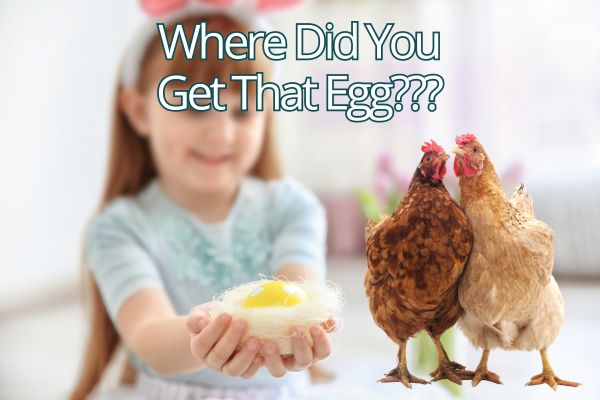
Where Did You Get That Egg
More Than Just an Egg: Why Where Your Eggs Come From Matters
"The earth is the Lord's, and everything in it..." — Psalm 24:1
Eggs have long been considered one of nature's most complete foods.
They're rich in high-quality protein, healthy fats, choline for brain health, vitamins A, D, E, K, B12, selenium, and antioxidants like lutein and zeaxanthin that support healthy vision. In many ways, eggs are one of the most nutrient-dense foods God created.
But at Storehouse Wellness, we believe there's an even better question than, "Are eggs healthy?"
We ask, "What kind of egg am I eating?"
Because just as our health is influenced by what we eat, the health of a chicken influences the quality of the eggs it produces.
The Hen Builds the Egg
An egg doesn't appear out of thin air.
Everything inside that shell began with the hen herself.
Her nutrition.
Her environment.
Her stress level.
Her overall health.
A chicken can only place into an egg what her body has available. That's why two eggs that look nearly identical on the outside can differ in their nutritional value.
Research has shown that pasture-raised hens often produce eggs containing higher levels of omega-3 fatty acids, vitamin E, and carotenoids—the plant compounds that often give healthy yolks their rich golden-orange color. These nutrients help support heart health, brain function, vision, and the body's natural antioxidant defenses.
This doesn't mean conventionally produced eggs have no nutritional value. They remain an excellent source of protein and many essential nutrients. But it does remind us that how food is produced can influence the nourishment it provides.
Healthy Animals Help Produce Healthier Food
There's another piece of the conversation that often gets overlooked: the health and well-being of the animal itself.
Just as chronic stress can affect our own bodies, it also affects the animals that provide much of our food. Chickens raised in overcrowded, unsanitary, or chronically stressful environments experience physiological changes that can influence their immune function, metabolism, and overall health.
While animals do produce stress hormones in response to stress, today's research has not shown that these hormones are transferred through eggs or meat in amounts that directly cause inflammation in people. The bigger takeaway is something both science and common sense support: healthier animals tend to produce healthier food.
A hen that is well nourished, able to forage, exposed to fresh air and sunlight, and cared for in a low-stress environment is more likely to produce eggs with a richer nutritional profile, including beneficial fats, antioxidants, and essential vitamins. Poor nutrition and chronic stress, on the other hand, can affect the bird's overall health and the quality of what it produces.
At Storehouse Wellness, we believe wellness begins long before food reaches our plate. It starts with healthy soil, thoughtful farming practices, proper animal care, and informed choices made by consumers.
Don't Be Fooled by the Label
Walk through the grocery store and you'll see labels everywhere:
"Cage-Free."
"Free-Range."
"Natural."
While these terms may sound reassuring, they don't always tell the whole story.
"Cage-free" simply means hens are not housed in cages. It doesn't necessarily mean they spend their days outdoors, eating grasses and insects or enjoying fresh air and sunshine.
"Free-range" often means birds have some level of outdoor access, but the amount of time spent outside and the quality of that outdoor environment can vary widely.
Whenever possible, get to know your farmer. Ask questions. Learn what the hens are fed and how they're raised. Local farms and trusted producers often welcome these conversations because they care deeply about their animals and the food they provide.
The Story Inside the Yolk
Have you ever cracked open a farm-fresh egg and noticed a deep golden-orange yolk?
That vibrant color isn't just beautiful—it often reflects a hen's diverse diet of grasses, insects, and naturally pigmented plants.
While yolk color alone isn't a guarantee of superior nutrition, it can offer a glimpse into the life the hen has lived.
Nature often gives us visual reminders of quality if we're paying attention.
Freshness Matters
One of the greatest benefits of buying locally is freshness.
Many grocery store eggs spend days—or even weeks—in storage and transportation before reaching your kitchen.
Local eggs are often collected within just a few days of purchase, preserving flavor, texture, and quality.
It's a simple reminder that sometimes the healthiest food isn't the most processed or the most advertised—it's the food produced closest to home.
Stewardship Begins Before Breakfast
Genesis tells us that humanity was entrusted with caring for creation.
That calling extends beyond our gardens and landscapes. It includes how we care for the animals entrusted to us, how we support farmers who prioritize ethical practices, and how intentionally we choose the food that nourishes our families.
Every purchase is, in many ways, a vote for the kind of food system we want to support.
When we choose producers who value healthy animals, responsible stewardship, and quality over convenience, we're participating in something much bigger than a grocery transaction.
We're investing in creation as God intended it to flourish.
More Than Food—A Lesson in Discernment
This conversation isn't really just about eggs.
It's about learning to ask better questions.
Where did this food come from?
How was it produced?
Who cared for it before it reached my table?
At Storehouse Wellness, we don't believe wellness comes from fear or perfection. It comes from wisdom, stewardship, and intentional choices made one meal at a time.
Sometimes the most powerful changes aren't dramatic.
They're as simple as choosing a better egg.
Because every meal is an opportunity to nourish not only our bodies, but also our appreciation for the incredible design woven throughout God's creation.
Storehouse Wellness Takeaway
The next time you're shopping for eggs, don't just compare prices.
Compare the story behind them.
The health of the hen, the care of the farmer, and the stewardship of creation all contribute to the food that ultimately nourishes your family. Choosing wisely isn't about chasing perfection—it's about making thoughtful decisions that honor both your health and the One who designed it.
